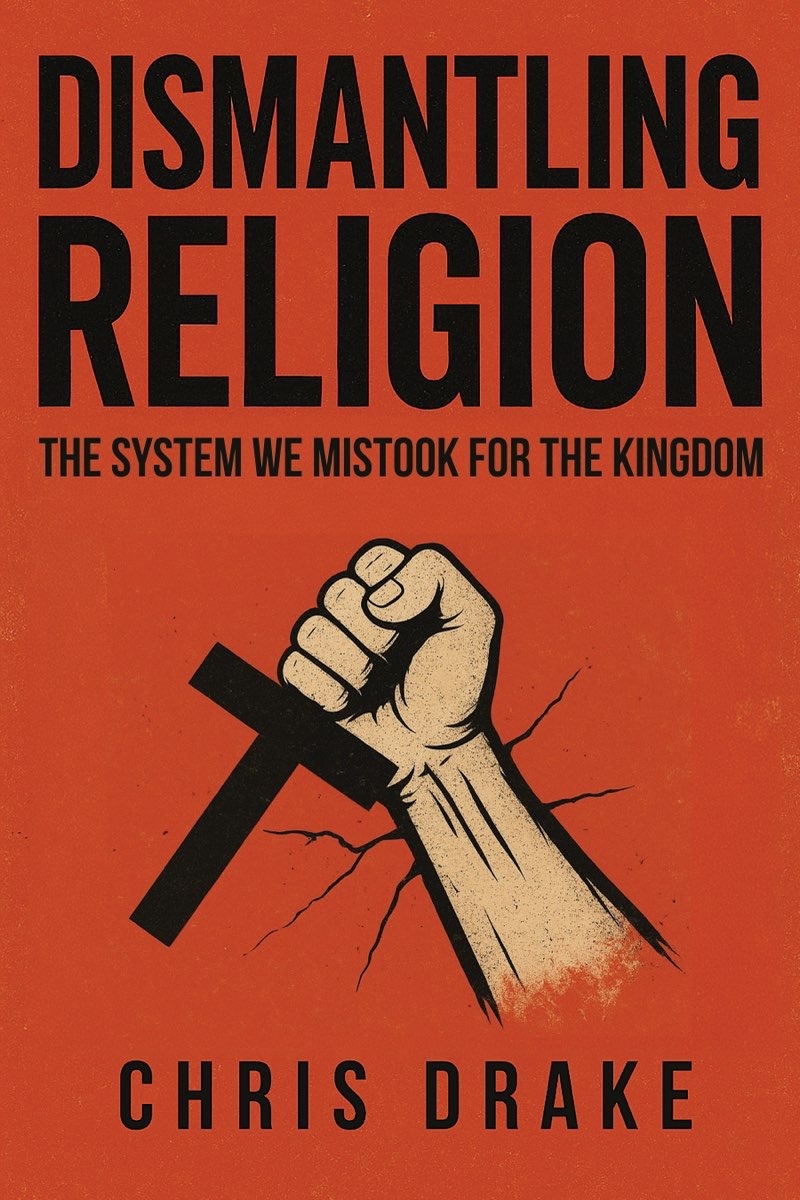
Chapter 8 begins with a claim that sounds immoderate until the evidence is laid out: that the two centuries after 1100 saw a cascade of volcanic, seismic, climatic, and agricultural disruption severe enough to reshape the world that lived through it — and that the record afterwards is thinner than it should be.
The eruptions
The book assembles a cluster of volcanic events rather than a single catastrophe. It notes the eruption of Mount Asama in Japan in 1108, and then the eruption of Mount Samalas in Indonesia in 1257 — which it describes as the largest in seven thousand years, with a magma volume exceeding Tambora’s.
The physical evidence cited is not chronicle-based. Sulfate spikes appear in ice cores in both Greenland and Antarctica, indicating material injected into the stratosphere and spread globally. Tree-ring records show suppressed growth continuing into the 1270s. The book cites published work on the persistence of that volcanic forcing and on the resulting shift toward the Little Ice Age.
The earthquakes
Alongside the eruptions, Chapter 8 lists more than fifteen major seismic events across the same window — among them Anatolia in 1114, Aleppo in 1138 with a death toll in the hundreds of thousands, the Syrian coastal events of the 1150s, the Levant in 1170, and the Near East event of 1201–1202, which the book describes as rupturing roughly a thousand kilometres of fault.
The book is careful here, and the care is worth noting: it says medieval magnitude estimates are probably too low for the destruction described, rather than claiming modern instrument-grade figures.
The consequences
What follows in the chapter is not geology but hunger. Repeated crop failures on four continents. Nile failures in the 1180s, 1201, and the 1290s. Drought in the Holy Land. Chinese chronicles describing fields destroyed and people eating bark and soil. European records of summer frosts and grain rotting in the fields, and grain prices climbing past what ordinary households could pay.
The book gives a conservative combined death toll across two hundred years of roughly four million people — from earthquakes, eruptions, famine, and plague together.
Why a theology book spends a chapter on this
Because of one sentence. Jesus tied the endurance of the Law to heaven and earth passing away, and the book argues that this period is what that passing looks like in physical history — an old order ending not with a metaphor but with a world that got colder, darker, hungrier, and then forgot why.
The chapter is explicit about the limits of its own case, including where the evidence for a single simultaneous worldwide collapse does not hold and the effects were regionally uneven. That honesty is part of the argument, not a hedge around it.
This article summarises Chapter 8.
Read Dismantling Religion on Amazon
Did Jesus return in 70 AD? · The historical source timeline · Discuss it on The Foundation